









Ultimate Guide to Pay Transparency Laws by State
Pay Transparency Laws Are Here. Is Your Pay Ready?
Pay Transparency & Equity Report

Part 2: Pay Transparency and Equity: Why Organizational Alignment and Expert Guidance Matter
Part 1: Pay Transparency & Pay Equity Report
Maine Pay Transparency Law Requirements
Virginia Pay Transparency Law: What Employers Need to Know

outRageous HR: What Happens Inside a Pay Equity Audit (And Why Most Companies Wait Too Long)
.png?width=450&name=Blog%20-%20Hawaii%20pay%20transparency%20(1).png)
Understanding the Hawaii Pay Transparency Law

Legal Series: Top 4 Action Items for HR Regarding Pay Transparency
What You Need to Know About the Rhode Island Pay Transparency Law
Legal Series: How to Balance Transparency with Confidentiality in Executive Compensation

New Jersey Pay Transparency Laws: What You Need to Know

Nevada Pay Transparency Law: What HR Teams Needs to Know

Legal Series: Don’t Get Caught Off Guard: HR’s Guide to Pay Transparency Laws

What Employers Need to Know About the Delaware Pay Transparency Law

An HR Year in Review: Key Updates in 2025
HR Compliance Mistakes Are Expensive: Here’s How OutSolve Keeps You Covered

Beyond the Basics: Implementing Pay Transparency Best Practices
Minnesota’s Pay Transparency Law: Here’s What HR Needs to Know
Massachusetts Pay Transparency Law
New York Pay Transparency Law Explained
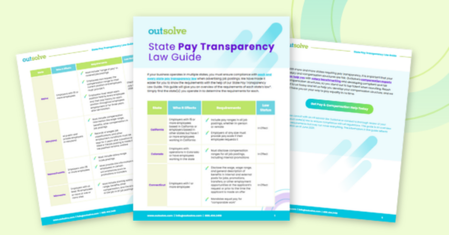
Ultimate Guide to Pay Transparency Laws by State

What You Need to Know About the Vermont Pay Transparency Law

In & OS: Pay Transparency
Pay transparency laws are making their way to New Jersey and Vermont. Sarah Jane Laudt, a compensation specialist at OutSolve, breaks down what is required for these new laws and best practices your company can begin taking today.
What Employers Need to Know About the California Pay Transparency Law

Compensation Benchmarking Guide
Make smarter pay decisions with our complete compensation benchmarking guide.


Salaries are No Longer Secret – The Pay Transparency Revolution

outRageous: Salaries are No Longer Secret – The Pay Transparency Revolution
Stay in the know on pay transparency best practices by watching our podcast.

5 Steps to Minimize Pay Transparency Risks

OutSolve Webinars: Pay Transparency, Breaking HR News, and I-9 Updates

Ultimate Guide to Pay Transparency Laws by State
Pay transparency laws are rapidly evolving across the U.S., requiring employers to disclose salary ranges and benefits in job postings. This guide breaks down the latest state-specific regulations, their impact on employers and job seekers, and best practices for compliance. Stay informed and ensure your organization is prepared for these changes.

Pay Transparency 101: Understanding the Basics

Pay Transparency 101: Understanding the Basics
Pay transparency involves sharing compensation information, including salary ranges, to promote fairness and equity. While it builds trust and helps comply with state laws, it also presents challenges such as resistance and privacy concerns.
[Delete] Illinois Pay Transparency Law
Starting January 1, 2025, Illinois will require employers to disclose salary ranges and benefits in job postings and announce internal promotions. Employers must also maintain records for five years and comply with anti-retaliation rules. Prepare now by updating job postings and training hiring teams.
New Jersey's Pay Transparency Law Poised for 2025 Rollout
[Delete] New Jersey Pay Transparency Law
New Jersey's pay transparency law will go into effect on June 1, 2025. Consult our blog for information on what the new law entails and what you can do to make sure you are in compliance.
[Delete] Maryland Wage Transparency Law
All public and private employers in Maryland must include detailed compensation in all job postings. Consult our blog and checklist for more information about what you need to do.

Massachusetts Enacts Comprehensive Pay Transparency Law: What Employers Need to Know
[Delete] Massachusetts Pay Transparency Law
Massachusetts' 2025 pay transparency law mandates salary range disclosures in job postings and annual pay data reports for large employers. It also prohibits retaliation and includes penalties for noncompliance. Employers should review pay structures and prepare for reporting.

Massachusetts Advances Pay Equity with Groundbreaking Pay Transparency Bill

The Power of Pay Transparency: A Win-Win for Employers and Candidates

Navigating Pay Transparency Laws: A Comprehensive Guide for Employers
Preparing for Vermont's Pay Transparency Law

[Confirm] Vermont Pay Transparency Law
Vermont's pay transparency law will go into effect on July 1, 2025. What can you do to prepare for this new regulation? We break down the key requirements and implications of this new law.
.png?width=450&name=V1-R1%20cpittman@outsolve.com%20%20-Employers%20Guide%20to%20New%20Pay%20Transparency%20Regulations%20in%20Minnesota%20and%20MD_1200%20x%20628_MF_05%20June%202024%20(1).png)
Employer's Guide to New Pay Transparency Regulations in Minnesota and Maryland
[Delete] Minnesota and Maryland Pay Transparency Law
Minnesota and Maryland are introducing new pay transparency laws in late 2024 and early 2025, requiring employers to disclose wage ranges and benefits in job postings. This blog outlines key provisions, compliance steps, and enforcement details to help employers navigate these regulations. Stay informed and ensure compliance to foster fair pay practices and avoid penalties.

Do You Know How Pay Transparency Impacts Your Organization? Learn How to Implement It Now

EEOC Unveils Pay Insights: Impacts of EEO-1 Component 2 Dashboard on Businesses
Adapting to New Pay Transparency Legislation Effective in 2024
-1.png?width=450&name=future%20of%20work%20(2)-1.png)
Proposed Federal Rule: Salary Disclosure and Compensation History Ban
.jpg?width=450&name=New%20Pay%20transparency%20(1).jpg)
Anticipating the District of Columbia’s New Pay Transparency Requirements
.png?width=450&name=Colorado%20DR%20(1).png)
Decoding Colorado’s Equal Pay for Equal Work Act
.png?width=450&name=Blog%20Graphics%20(13).png)
Compliance with Washington's Wage Transparency Law Challenged by Numerous Lawsuits

[Delete] Washington Pay Transparency Law
Washington's Equal Pay and Opportunities Act (EPOA) has led to a surge of lawsuits against companies failing to meet wage transparency requirements. This blog explores the key provisions of the law, the legal challenges faced by employers, and best practices to ensure compliance. Stay ahead of evolving pay transparency regulations and mitigate risks with proactive compliance strategies.
.png?width=450&name=OFCCP%20letter%202%20(1).png)
New York Pay Transparency Laws Provide Added Guidance
Recent Amendments Strengthen Protections for Employee Wage Disclosure in MN
.png?width=450&name=Blog%20Graphics%20(9).png)
Illinois Equal Pay Act Requires Pay Transparency in Job Postings

Pay to Play: Can Pay Transparency Help Attract and Retain Talent- Neil Dickinson Featured in Insight Magazine
Hawaii Enacts Pay Transparency Law and Expands Equal Pay Protections

[Delete] Hawaii Pay Transparency Law
Hawaii required employers with more than 50 employees disclose an hourly rate or salary range in all job descriptions. Learn more about what else is required of Hawaii employers.
.png?width=450&name=DR%20(6).png)
Colorado Passes Amendments to the Equal Pay for Equal Work Act
-1.png?width=450&name=DR%20(1)-1.png)
Columbus, OH Bans Wage or Salary History Inquiries of Prospective Employees
[Delete] California Pay Transparency Law
California's updated pay transparency law, effective January 1, 2023, requires employers with at least one California employee to disclose pay scales in job postings and maintain wage records for three years. Employers must comply with strict posting requirements and may face penalties for violations.

[Delete] Colorado Pay Transparency Law
Colorado's Equal Pay for Equal Work Act, effective January 1, 2021, requires employers to disclose salary ranges and promotion opportunities. Despite legal challenges, the law was upheld, reinforcing the state's commitment to closing the wage gap. Employers should ensure compliance to avoid penalties.