








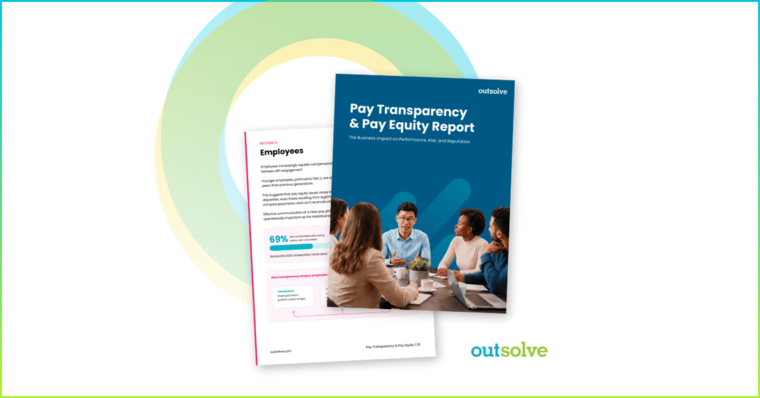
In Part 1 of this series, we explored how pay transparency and pay equity have expanded from compliance concerns into business priorities. We discussed the benefits of building structured compensation programs, the risks of getting transparency wrong, and the broader impact compensation decisions can have on operations, finances, and employer reputation.
Missed Part 1? Read it here: Pay Transparency and Pay Equity Report
The next challenge for many organizations isn't understanding why pay transparency matters, but it's determining how to manage it effectively. That requires alignment across leadership, HR, and employees, along with the right compliance expertise.
In part 2, we'll look at the work behind pay transparency and why many employers are turning to external compensation specialists for support. Download the full report below.

Organizational Dynamics — Leadership, HR, and Employee Perspectives
Pay equity and transparency affect different parts of the organization in different ways. Getting alignment across leadership, HR, and the broader workforce requires understanding how each group experiences these issues — and what concerns are most likely to create friction.
Executive Leadership
For executive teams, the core challenge is balancing three competing priorities: risk mitigation, payroll budget control, and competitive positioning. Those priorities can seem to pull in opposite directions. Pay equity remediation costs money in the short run. Pay transparency can constrain negotiating flexibility. But executive teams that frame these investments as cost centers rather than risk management tools often underestimate the potential reputational impact (and velocity) of compensation-related controversies.
Board oversight of human capital management has also intensified. Institutional investors, ESG rating agencies, and activist shareholders increasingly include pay equity in their governance assessments. A company that cannot demonstrate a structured, defensible approach to compensation is increasingly at risk of scrutiny that goes well beyond an HR conversation.
Human Resources and Compliance
HR leaders are asked to deliver statistical rigor, regulatory awareness, and cultural alignment simultaneously. One constraint is that their teams were not built for the current compliance environment. Internal auditing of compensation decisions can create real political friction, particularly when it surfaces pay decisions made by senior managers who are not accustomed to having those decisions scrutinized.
Bandwidth is also a genuine constraint. Continuous monitoring of pay equity — across evolving job architecture, market shifts, promotions, and new hire negotiations — requires a sustained analytical commitment. Assigning it as an add-on to existing HR workloads often results in gaps that create compliance risk over time.
Employees
Employees increasingly equate compensation transparency with fairness — and they equate fairness with engagement. BambooHR's 2024 Compensation Trends report found that 69% of employees feel comfortable discussing salary with coworkers, and 52% have already done so. Younger employees, particularly Gen Z, are significantly more likely to share salary data with peers than previous generations.
This suggests that pay equity issues rarely stay internal for long. Unexplained disparities, even those resulting from legitimate business factors, erode trust when employees compare paychecks and can't reconcile what they find. Effective communication of a clear pay philosophy is not just a cultural nicety; it is as operationally important as the statistical equity itself.
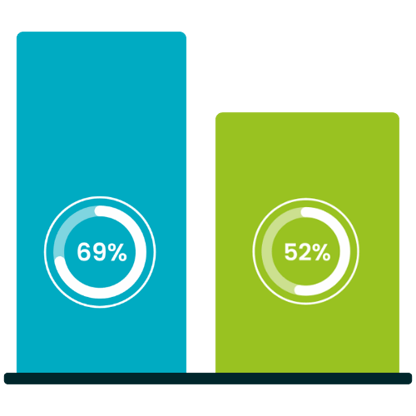 Peer Salary Discussion Trends
69% of emplopyees feel confortable discussing salary with coworkers and 52% have already done so.
The Strategic Case for External Expertise
Today, regulatory change is happening at an unprecedented pace. Combined with the statistical complexity of defensible pay equity analysis, and the political dynamics of internal compensation audits, many organizations have concluded that external expertise is not a luxury, it's a risk management necessity.
Why In-House Management Is Increasingly Insufficient
The compliance landscape is genuinely difficult to track from the inside. Pay transparency laws are now on the books in 25 jurisdictions, with more states and localities actively considering legislation. Each law has different scope, different thresholds, different posting requirements, and different penalty structures. Staying current requires dedicated monitoring — not periodic reviews.
Statistical pay equity analysis is a specialized discipline. To withstand regulatory scrutiny or litigation, an analysis must be conducted using defensible methodology. Typically, this is a multivariate regression that controls for legitimate factors (title, tenure, geography, performance) to isolate whether protected-class status is influencing compensation. Internal HR teams rarely have the combination of statistical expertise and legal training to do this efficiently and effectively.
Perhaps most importantly: assigning pay equity oversight as 'part of someone's job' is a different thing than having someone whose job it actually is. The former creates accountability gaps; the latter creates a defensible record.
The Value of a Dedicated Compensation Compliance Partner
An experienced compliance consulting firm brings several things that internal teams typically cannot replicate. First, methodology that has been tested across many industries and regulatory environments — they have seen how enforcement agencies examine pay equity analyses and can build approaches that hold up under scrutiny. Second, cross-industry perspective on how similar organizations have structured job architecture, pay bands, and disclosure programs.
External advisors also reduce the internal political friction that pay equity work often generates. When an outside firm presents findings, the conversation shifts from “HR is challenging management decisions” to “We have an independent assessment that requires consideration and action.” This reframing matters, particularly when remediation conversations involve senior leaders.
A third-party partner can also support executive communication strategies and stakeholder messaging — helping leadership explain compensation philosophy to employees, investors, and boards in ways that are clear, accurate, and legally appropriate. And perhaps most valuably, outsourcing compliance oversight frees up HR leadership to focus on strategic workforce priorities — talent development, culture, and organizational design — rather than regulatory navigation.
Conclusion — From Compliance Obligation to Competitive Advantage
Pay equity and pay transparency are now permanent features of the regulatory and labor market environment. They are not trends that will pass, and they are not issues that can be managed with periodic attention. The legislative momentum is accelerating. The enforcement activity is increasing. And the employee and candidate expectations are, if anything, ahead of the law.
Organizations navigating this environment most successfully understand opacity is a risk while transparency is an advantage. Compensation systems that are equitable, well-documented, and clearly communicated perform better under legal and regulatory scrutiny than those that are opaque, inconsistent, and reactive.
Achieving this requires a deliberate sequence:
-
Rigorous pay equity analysis before transparency
-
Structured job architecture before disclosure
-
Continuous monitoring rather than periodic audits
Further, it is difficult to execute this sequence with internal resources alone. Not because the people aren't talented, but because the combination of statistical expertise, regulatory knowledge, legal privilege, and cross-industry experience required is genuinely specialized.
Organizations that make the strategic decision to partner with an experienced compliance service provider — rather than treating pay equity and transparency as HR housekeeping — consistently achieve better outcomes: lower litigation exposure, stronger employee trust, and a reputation for governance maturity that resonates with investors, candidates, and partners alike.
In an era of heightened visibility, expert-led compensation governance is not just a defensive measure. It is a source of competitive advantage.
Final Thoughts
Transparency doesn't create compensation problems; it reveals them. Organizations with well-structured compensation programs are often able to handle increased visibility with confidence. Those without a strong foundation may find themselves addressing issues under greater scrutiny and higher stakes.
For HR, the path forward isn't about meeting legal requirements. It's about creating compensation practices that are equitable, defensible, and aligned with organizational goals.
When approached thoughtfully, pay transparency becomes more than a compliance obligation. It becomes an opportunity to strengthen trust, reduce risk, and reinforce your organization's commitment to fairness.
In today's talent market, that's a competitive advantage worth investing in. OutSolve's team of compliance experts can partner with you on your pay equity and transparency requirements. Contact us today for more information.


Comments