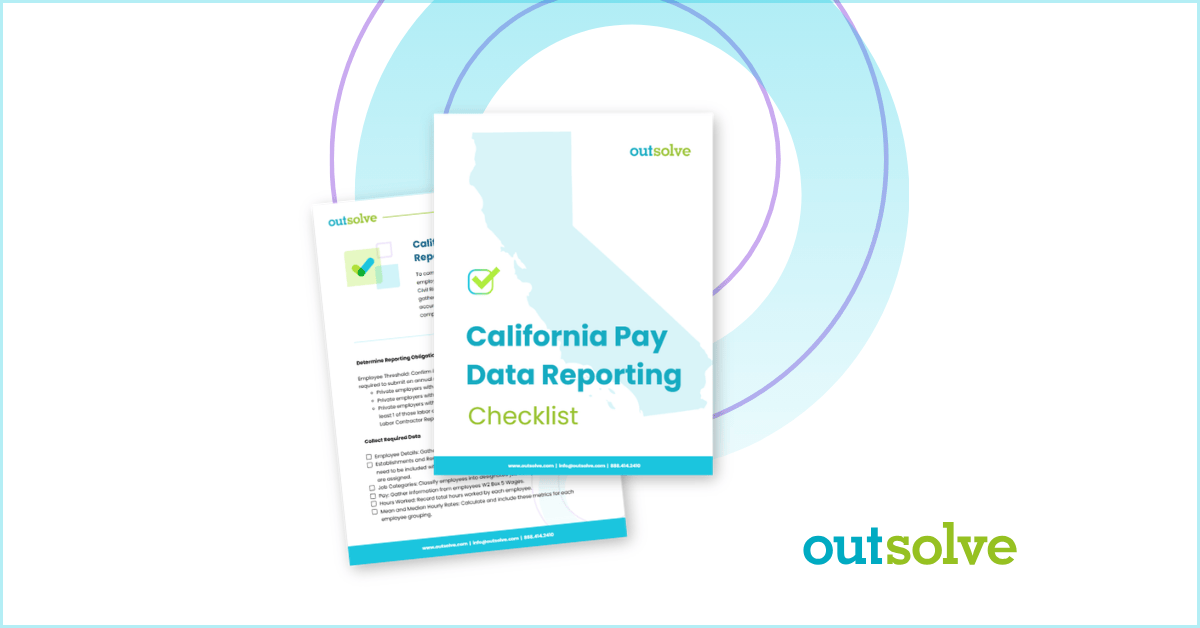
With changes regarding California pay data reporting taking effect in 2026 and 2027, this is the checklist you need to stay confident that you've got it all covered. Keep reading this update and be prepared to file your report by the May 13, 2026 deadline.

Here’s What You’ll Learn
- Who needs to report – Know whether your company meets the thresholds and what the labor contractor rules means for you.
- What data to collect and how to organize it – From employee demographics to pay, hours worked, and job categories, you’ll know exactly what to gather.
- How to file efficiently – Get tips on deadlines, portal specifics, and how working with experts can take the burden off your plate.
- What’s coming next – Stay ahead of changes like new job categories and stricter penalties, so you’re not scrambling when the next filing year hits.
California Pay Data Reporting Checklist
Ready to jump right into your California pay data reporting? The following checklist breaks the process down into easy-to-understand, manageable steps so you can stay organized, meet deadlines, and feel confident that nothing gets missed. Think of it as your HR roadmap for a smoother, more efficient, and less stressful reporting cycle.
Determine Reporting Obligation
Employee Threshold: Confirm if your company meets the following criteria. If so, then you are required to submit an annual report:
-
Private employers with 100 or more employees in California
-
Private employers with 100 employees in the U.S. and at least 1 employee in California.
-
Private employers with 100 or more workers hired through a labor contractor with at least 1 of those labor contractor employees in California, must submit a separate Labor Contractor Report.
Collect Required Data
-
Employee Details: Gather demographic information
-
Establishments and Remote Workers: Identify which physical establishments in CA will need to be included within the submission, and any locations where remote employees are assigned.
-
Job Categories: Classify employees into designated job categories.
-
Pay: Gather information from employees W2 Box 5 Wages.
-
Hours Worked: Record total hours worked by each employee.
-
Mean and Median Hourly Rates: Calculate and include these metrics for each employee grouping.
-
Weeks Worked: Identify the total number of weeks California employees worked during the reporting year. The total weeks worked should include any form of paid leave or time off.
-
Exemption Status: Identify whether an employee is Exempt or Non-Exempt.
-
Employment Type: Classify each employee with one of the following employment types: Full–Time, Part–Time or Intermittent.
Submit Annual Reports
-
Deadline: Ensure submission of 2025 reports by May 13, 2026, to avoid penalties.
-
Submission Portal: Access the California Pay Data Reporting Portal to file reports.
-
Partner with OutSolve: Our experienced consultants have prepared and filed many California Pay Data Reports. Let us handle this report for you.
Updates for 2025 Filing Year
The following changes took effect on January 1, 2026, and must be implemented for the 2025 filing cycle.
-
Data collected for pay reporting (i.e. demographic information) needs to be stored separately from personnel records.
-
Penalties for non-compliance will become mandatory under the CRD.
-
Penalties could extend to Labor Contractors if they fail to provide the information necessary to submit the CA Labor Contractor Report.
Updates for 2026 Filing Year
The following change will take effect on January 1, 2027. HR Teams should work on implementing the new job categories now, so they are ready when the changes are effective.
Employers must classify their employees using the 23 job categories from the Standard Occupational Classification (SOC) system and not the EEO-1 categories.
Stay Informed on California Pay Reporting Updates
The Civil Rights Department regularly issues new guidance and updates on what is required for this report. OutSolve’s expert consultants are continuously monitoring these updates and can handle this report for you. Reach out today to talk with a member of our team or check out the Ultimate Guide to California Pay Data Reporting.
What This Checklist Means for Your Organization
This report is crucial for fairness and designed to close wage gaps. Getting it right isn’t just about avoiding fines, but about showing your team and leadership that your HR practices are transparent, fair, and up-to-date. Using this checklist helps you stay organized, reduce stress, and make sure nothing slips through the cracks.
If you want to make preparing and filing this report even easier, then OutSolve's consultants can guide you through the process from start to finish. Reach out today and make your next California pay data report the best one yet.






Best Practices for HR: AI in Recruiting
 Renee Arazie: Sep 23, 2026, 1:29:28 PM
Artificial intelligence (AI) continues to change how HR teams approach recruiting, streamline processes, improve efficiency, and make more informed...
E-Verify’s Status Change Report Require Employer Attention
 Alissa Horvitz: Sep 22, 2026, 8:00:00 AM
U.S. Citizenship and Immigration Services (USCIS) recently published additional frequently asked questions (FAQs) regarding the E-Verify Status...
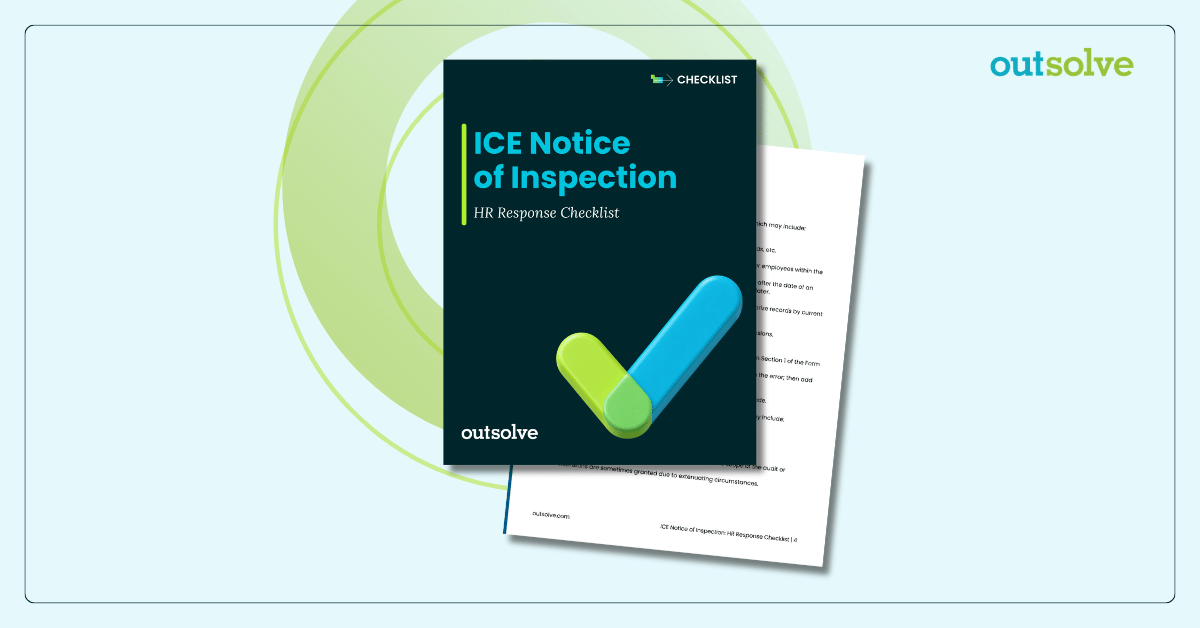
ICE Notice of Inspection: HR Response Checklist
 OutSolve: Sep 21, 2026, 11:42:30 AM
When ICE issues a Notice of Inspection, you generally have three business days to respond. That timeline alone can make the process overwhelming and...