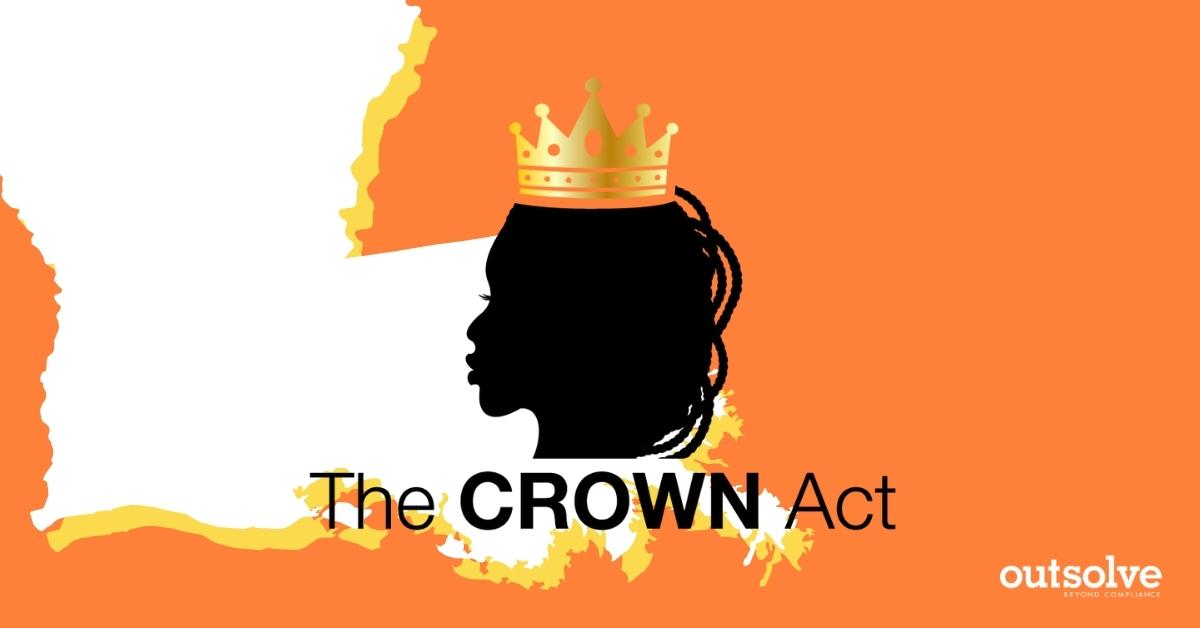
Law intended to go beyond natural hair protections tied to race and includes “cultural hairstyles”
HB 1083 was signed by Louisiana’s Governor John Bel Edwards on August 1, 2022, as Act No. 529, Creating a Respectful and Open World for Natural Hair (CROWN) Act. The Act amends the definition of intentional discrimination in employment to include any discriminatory practices associated with an individual’s compensation or terms, conditions, or privileges of employment because of natural, protective or cultural hairstyles. These hairstyles may include “afros, dreadlocks, twists, locs, braids, cornrow braids, Bantu knots, curls, and hair styled to protect hair texture or for cultural significance.
When the law was drafted, Louisiana State Representative Candace Newell, intended for the law to go beyond racially specific discrimination and included “cultural hairstyle” which extended the protections to hairstyle, not tied to race.
The Act does not impose standards for employers with respect to length of an employee’s hair, which may cause a safety concern or prohibit an employee from wearing safety equipment. Employers considering including such policy restrictions should follow the state’s existing definition of a bona fide qualification.

OutSolve’s Take
Since the Act is effective as of August 1, 2022, employers should proactively review and update existing policies, handbooks, dress codes, and/or grooming standards. As reported in our blog about the passing of the Massachusetts CROWN Act, we strongly believe that these Acts bring light to the importance of focusing on equity and inclusion, along with diversity efforts. Expecting that employees’ hairstyles will only fall into a narrow definition of what some people deem “appropriate” or “professional” is neither equitable nor inclusive.
That’s why OutSolve’s MIRROR™ program assesses the whole of an organization including a review of their policies and practices. Combined with a DEI survey, conversations with employees, and that holistic evaluation, the Consultant can identify a company’s blind spots regarding treating all their employees fairly that may be standing in the way of achieving the diversity they seek.
OutSolve’s MIRROR™ program helps companies focus on actions that have a material, positive impact on building an inclusive workforce. To request more information about MIRROR™, please reach out to your consultant or contact us at info@outsolve.com or 888.414.2410.





Best Practices for HR: AI in Recruiting
 Renee Arazie: Sep 23, 2026, 1:29:28 PM
Artificial intelligence (AI) continues to change how HR teams approach recruiting, streamline processes, improve efficiency, and make more informed...
E-Verify’s Status Change Report Require Employer Attention
 Alissa Horvitz: Sep 22, 2026, 8:00:00 AM
U.S. Citizenship and Immigration Services (USCIS) recently published additional frequently asked questions (FAQs) regarding the E-Verify Status...
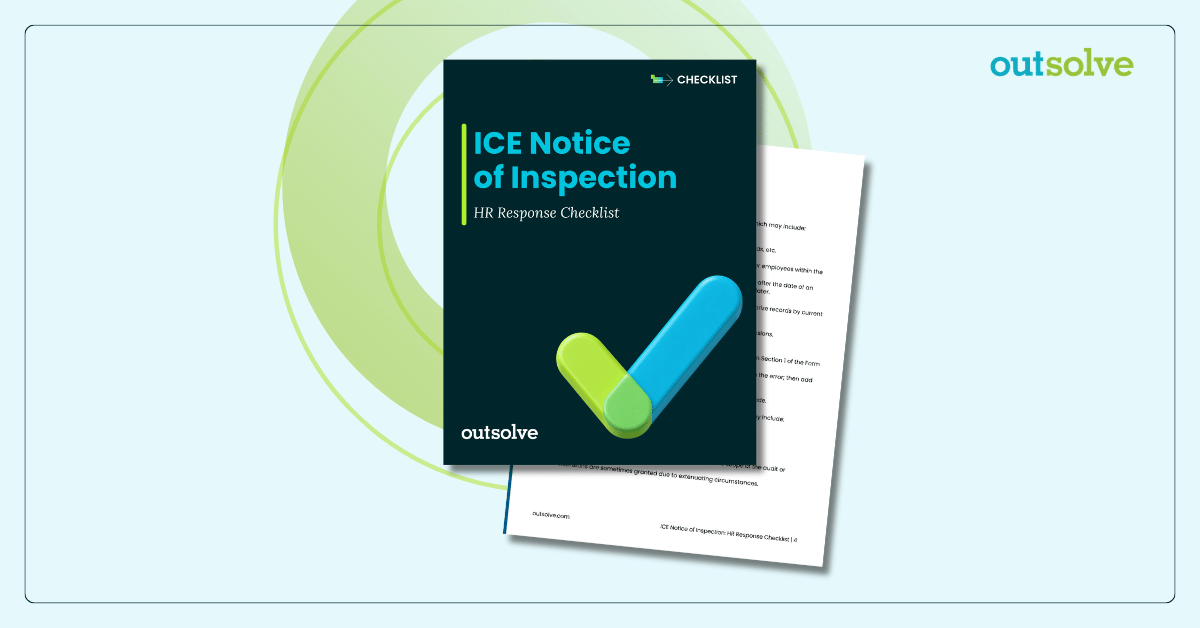
ICE Notice of Inspection: HR Response Checklist
 OutSolve: Sep 21, 2026, 11:42:30 AM
When ICE issues a Notice of Inspection, you generally have three business days to respond. That timeline alone can make the process overwhelming and...